SAMLAND CO., LTD



My Thuy Port Opens a New Trade Gateway for Quang Tri
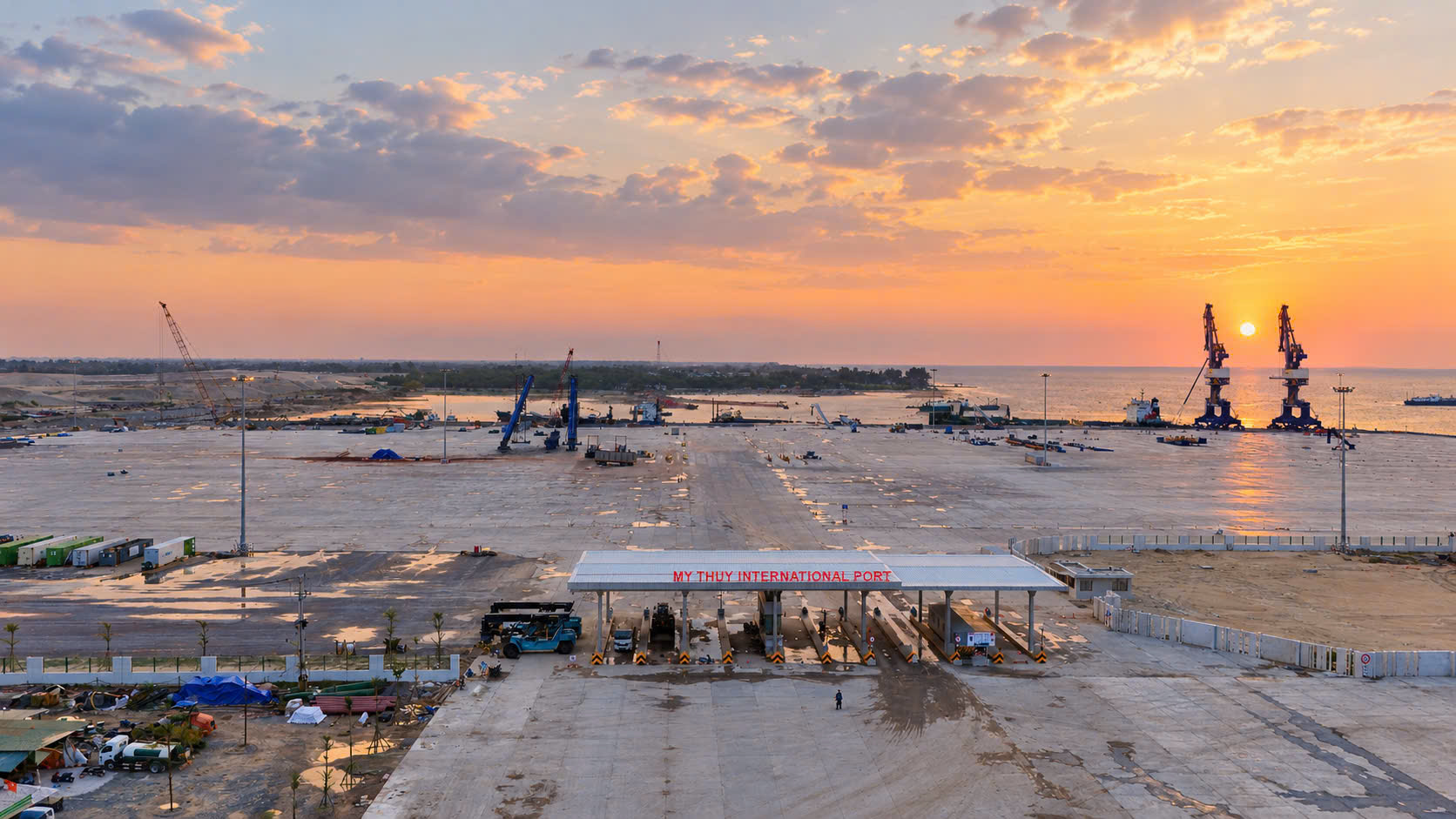
The entrance and cargo yard at My Thuy Port on the coast of Quang Tri.
Seen from above, the port entrance opens onto an expansive cargo yard, with berths, equipment and the sea beyond. These project photographs capture a port taking shape through tangible infrastructure. They also raise a broader question: how can businesses use this gateway to move goods to overseas markets, and how much of the value generated by that trade can remain in the local economy?
For Quang Tri, an additional maritime hub creates more options for growth. Better access to sea transport can give businesses a stronger basis for investing in factories, warehouses and transport services. My Thuy therefore needs to be considered alongside the production areas it can serve inland.
From Planning to the First Cargo Flows
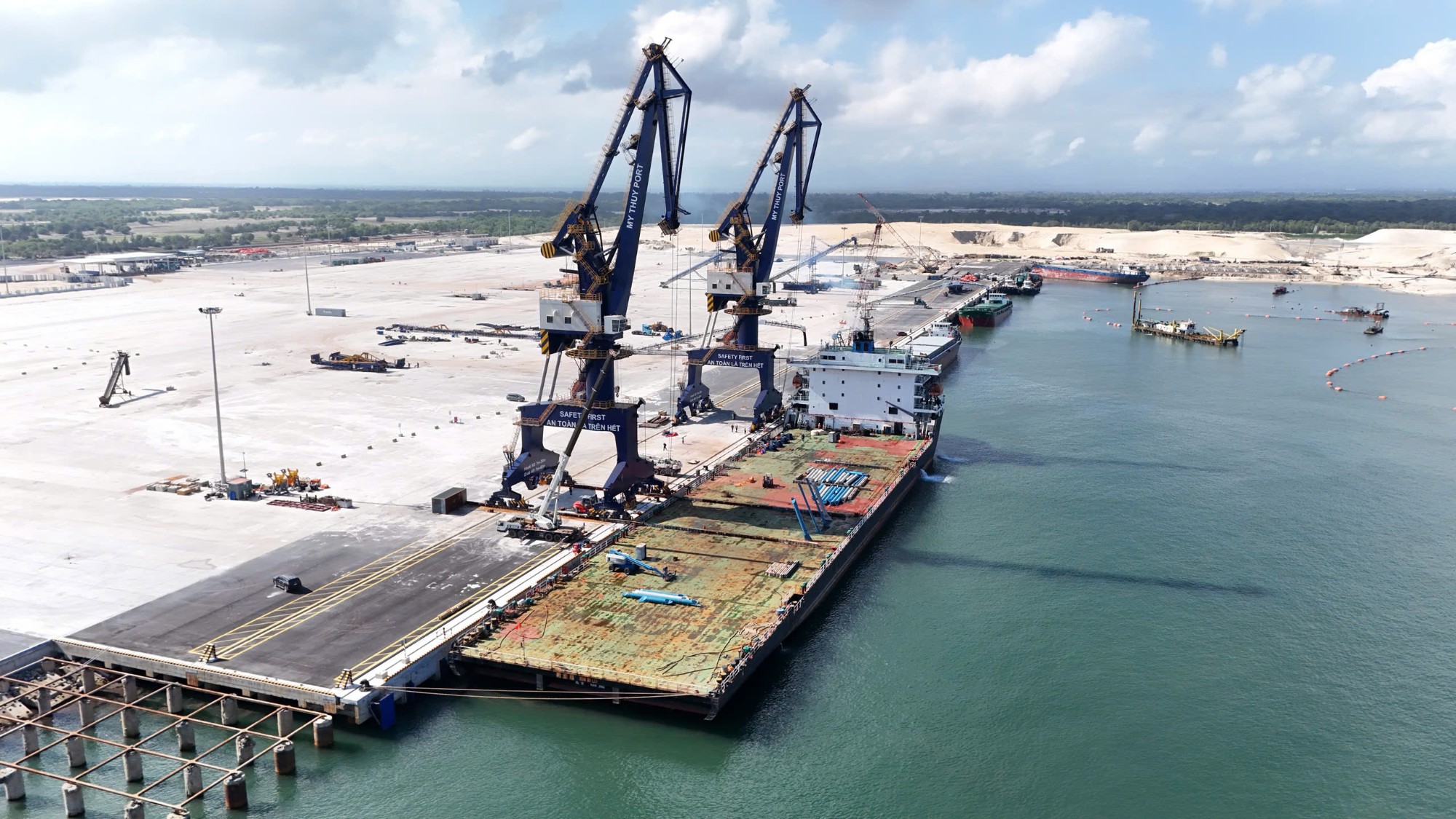
An aerial view of the berths, cargo yard and two cranes bearing the My Thuy name
Berths 1 and 2 entered operation in July 2026, offering a combined length of 568 metres. By 30 September 2026, the port had handled 41 vessel calls and more than 150,833 tonnes of cargo, including 50,800 tonnes of international cargo. At this stage, it could accommodate vessels of up to 30,000 DWT.
This is a meaningful milestone: commercial operations have begun, allowing the project to demonstrate its ability to serve customers. Initial cargo volumes, however, do not yet provide a complete measure of long-term performance. Sustained growth will depend on securing reliable cargo flows and giving customers reasons to return.
Investment and construction are continuing at Berths 3 and 4, with the aim of accommodating 100,000-tonne vessels in the second quarter of 2027. The additional berths are expected to increase service capacity and help attract further cargo.
Customs clearance offers another sign of progress. In September 2026, customs authorities processed the first three consignments of minerals and woodchips exported through My Thuy. These shipments show that demand for the port is beginning to translate into actual business.
Connecting Inland Cargo with Overseas Markets
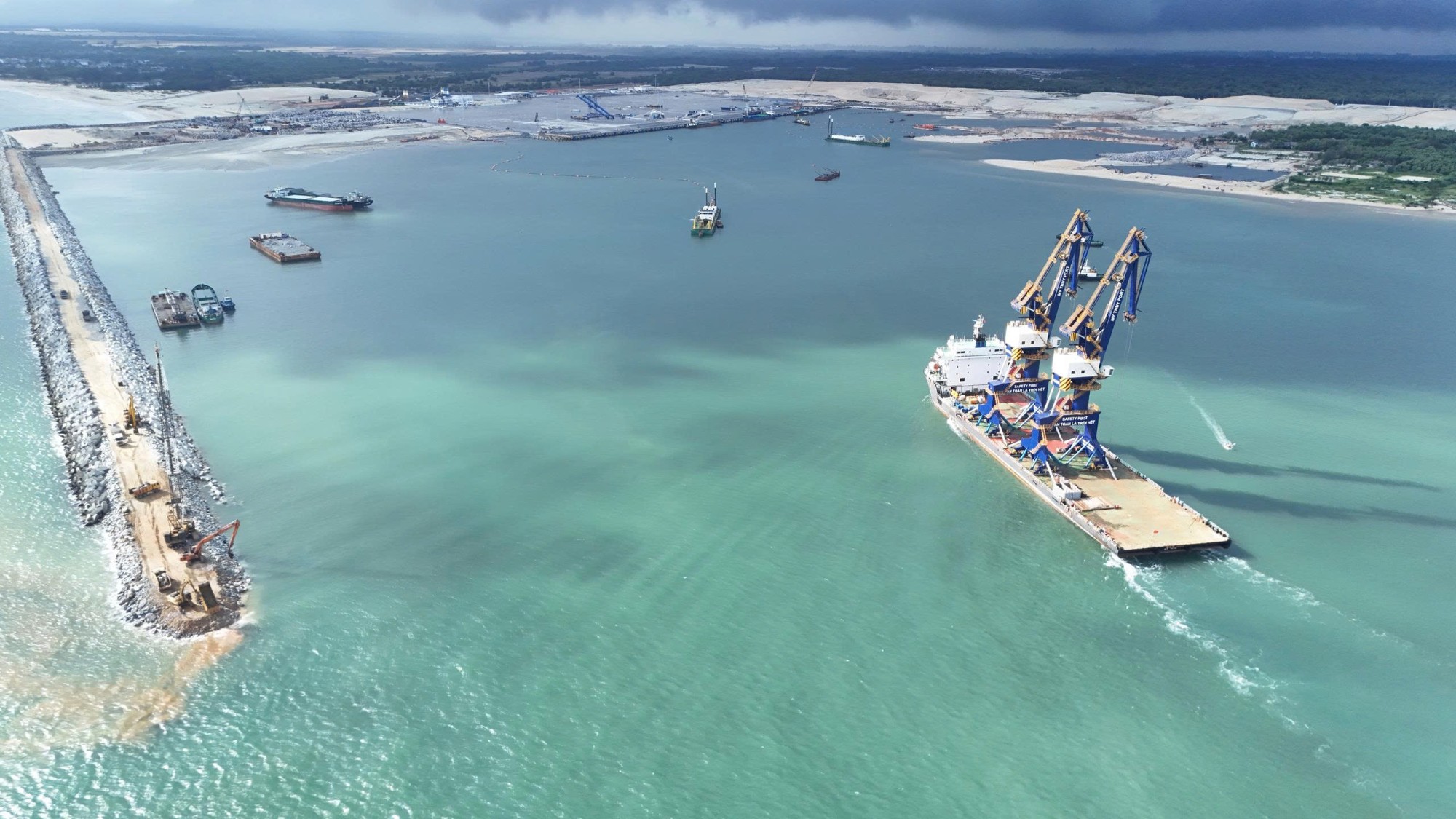
A panoramic view of the port basin, breakwater and a vessel carrying equipment.
Under the master plan, the project covers approximately 685 hectares and comprises 10 berths, with an expected capacity of around 30 million tonnes a year upon full completion. It is intended to handle imports and exports for Quang Tri, as well as transit cargo from Laos and northeastern Thailand via the East–West Economic Corridor.
This planned role points to opportunities beyond the local cargo base. My Thuy could become an alternative maritime gateway for businesses across the region, provided suitable transport chains can connect production sites, border crossings and the port.
For cargo owners, the decisive considerations are the total cost and reliability of the journey. A shorter route delivers an advantage only when it is supported by predictable delivery times, straightforward procedures and suitable transport services. The port’s location must therefore translate into measurable benefits for each shipment.
National Highway 15D, linking the port with the Cam Lo–La Son Expressway, is an important infrastructure connection expected to support logistics development. Coordinated improvements to inland access would give My Thuy a stronger basis for expanding the area it serves.
A Port That Can Help Attract Investment
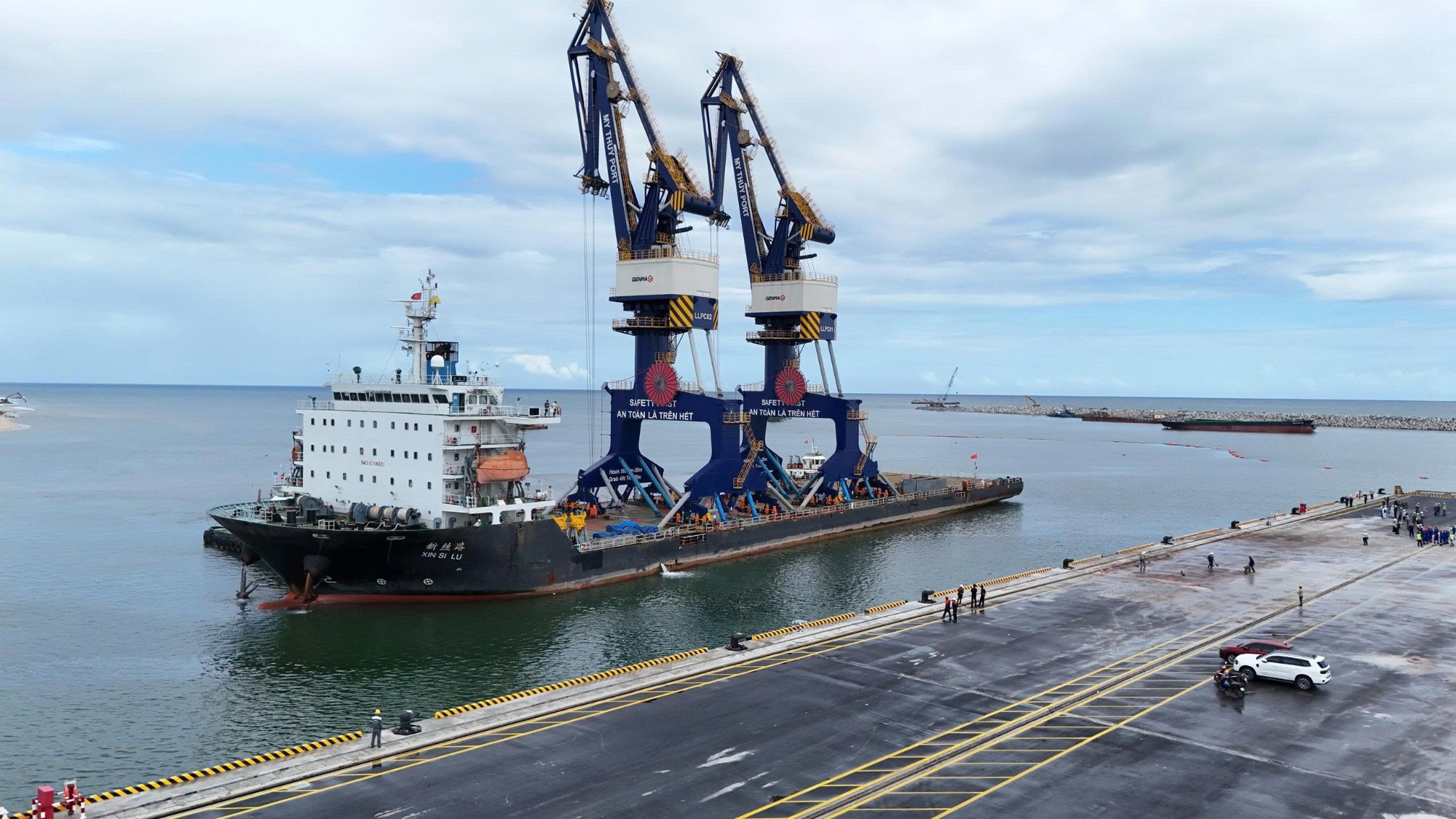
The two cranes have been delivered to the waters in front of the berth.
My Thuy is located within the Southeast Quang Tri Economic Zone. As of late October 2026, a proposed logistics centre serving the port, covering approximately 180–200 hectares in Vinh Dinh and My Thuy communes, was being put forward for investment policy approval in the fourth quarter of 2026. Planned services include warehousing, sorting, packaging, inspection and certain processing activities.
The proposal highlights opportunities to develop services around the cargo moving through the port. As goods are consolidated, stored and handled locally, businesses can establish additional operations serving the supply chain. Quang Tri may also become more attractive to manufacturers that consider access to a seaport an important factor in choosing a location.
In turn, factories and industrial parks that generate steady cargo volumes can help the port operate more efficiently. This relationship needs to be built through contracts, service quality and practical transport plans. The closer port development is aligned with businesses’ actual needs, the stronger the foundations for sustained investment in the surrounding area.
Local workers could also find opportunities in transport, warehousing, equipment maintenance and maritime services. To realise those opportunities, vocational training and safe operating practices need to keep pace with infrastructure investment.
Turning Potential into Lasting Advantages
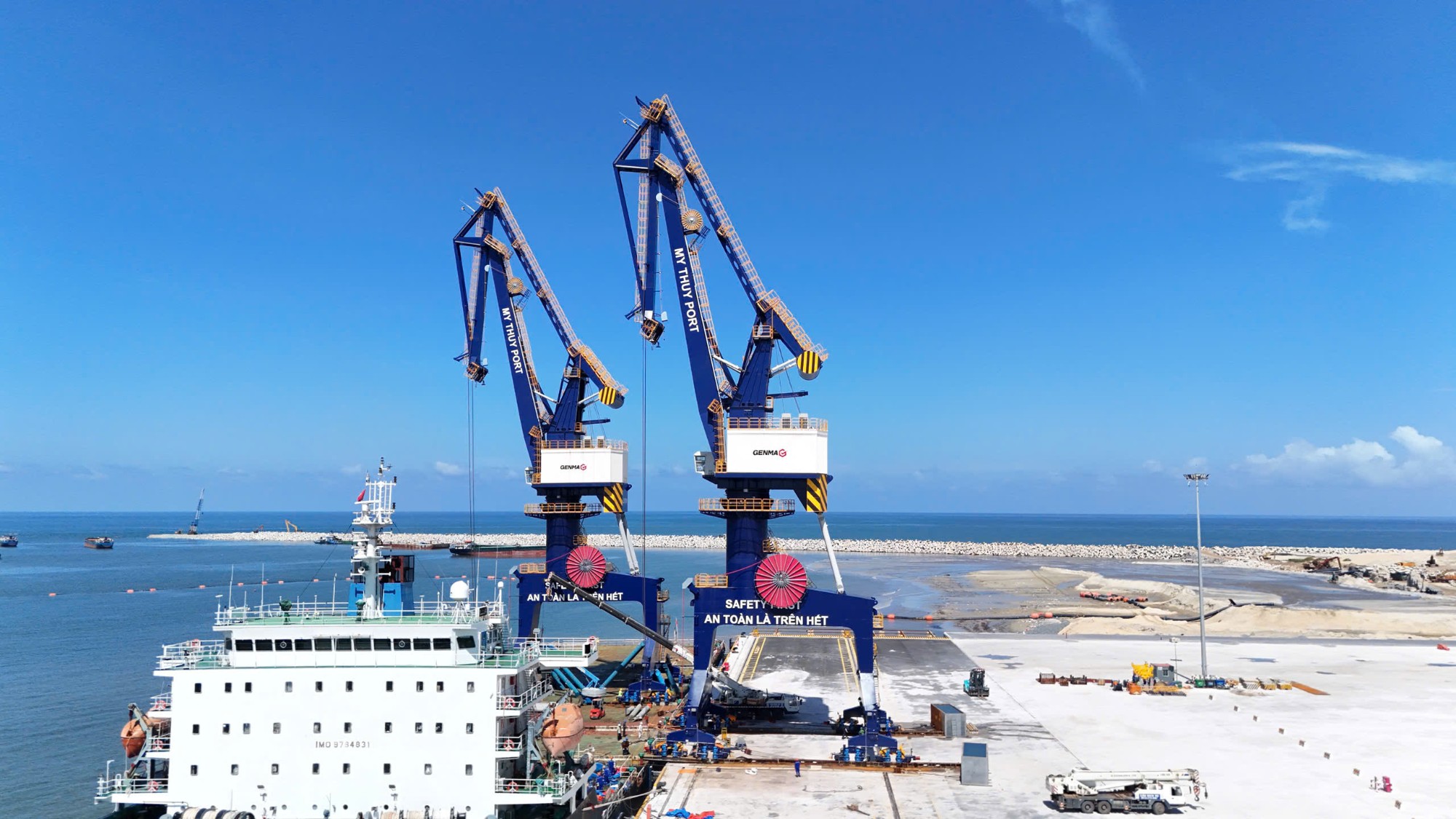
Two cranes bearing the My Thuy name are being installed alongside the equipment transport vessel at the berth.
Berths, yards and equipment provide the foundations, but competitiveness also depends on how the port operates. Businesses need predictable service times, transparent costs and smooth coordination among the port, transport companies, shipping agents and regulatory authorities. These capabilities need to develop alongside the expansion of the berths.
Development must also take account of the local community. Project implementation needs to address land clearance challenges, ensure suitable resettlement conditions and resolve environmental and everyday living issues affecting residents. Handling these matters well can help build support for the next stages of development.
Today’s images of My Thuy suggest a future in which more vessels arrive, more cargo moves through the port and more businesses choose Quang Tri. That future will be shaped by efficient transport routes, returning customers and new employment opportunities. When the port makes trade easier for businesses and delivers benefits to residents, its coastal potential can become a lasting source of growth for the province.
Other Posts
Nearly VND 4.6 Trillion Proposed to Ease Chronic Traffic Congestion on a Major Ho Chi Minh City Road